Delegating Responsibility: The Imperative of Effective Management

RELATIONSHIP - Adapting Behavior
Adaptive Behavior: The Mark of a Mature Leader
The most effective leaders are not rigid in style—they are refined in awareness.
Adaptive behavior is the discipline of understanding both yourself and others, then intentionally adjusting how you lead to meet the moment. It requires more than personality insight; it demands humility, emotional intelligence, and a commitment to serve the greater good of the team over personal preference.
Leaders who master this competency don’t default to comfort—they choose effectiveness. They listen deeply, discern behavioral patterns, and respond with intention. In doing so, they build trust, elevate performance, and create environments where people feel seen, understood, and empowered to contribute at their highest level.
Adaptability is not weakness—it is leadership strength under control.

LEADERSHIP - Aligning Organizations
MANAGEMENT - Achieving Goals
RELATIONSHIP - Active Listening
EXECUTION - Analyzing Issues

CHARACTER - Accountable

EXECUTION - Making Decisions
CHARACTER - Self Aware
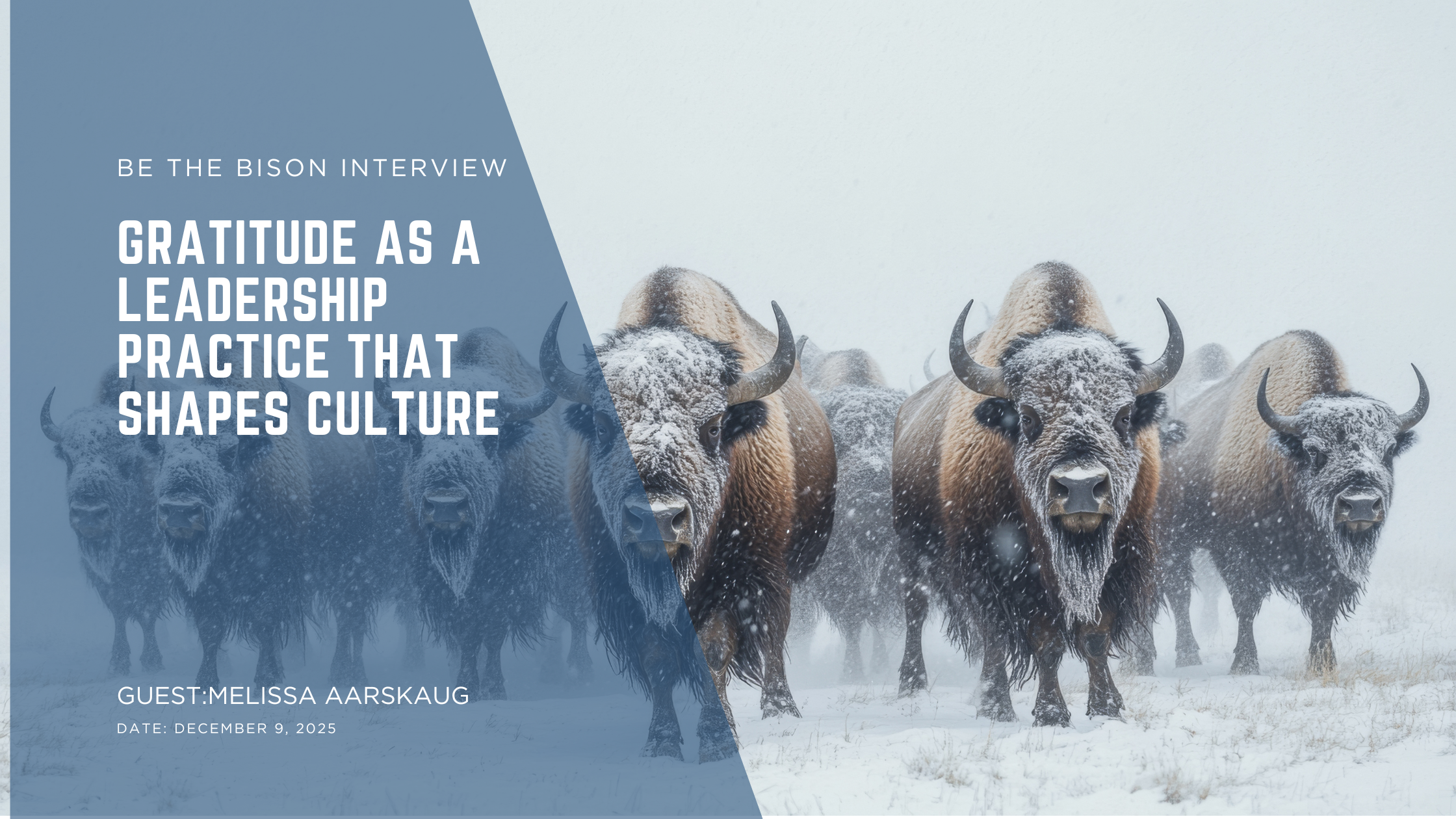
Gratitude as a Leadership Practice That Shapes Culture
Here’s a polished, aspirational blog excerpt you can drop directly into your draft titled “Gratitude as a Leadership Practice That Shapes Culture”.
Gratitude is more than a pleasant sentiment — it is a catalytic leadership discipline that reshapes culture from the inside out. When leaders consistently acknowledge the contributions, character, and commitment of their people, something powerful happens: trust deepens, teams unite, and the atmosphere becomes one where excellence is not demanded but inspired.
In a world where urgency often overshadows appreciation, practicing gratitude slows us down long enough to see the good that is already growing within our organizations. It reminds us that people are not merely resources; they are image-bearers, partners, and co-builders of the mission we steward.
When leaders choose gratitude, they create cultures where individuals feel seen, valued, and motivated — not out of obligation, but out of shared purpose. Gratitude doesn’t just shape culture; it strengthens legacy.
Would you like a longer opening section, a call-to-action for the end of the post, or a version that aligns more directly with your “Be the Bison” or SOLIDleaders tone?